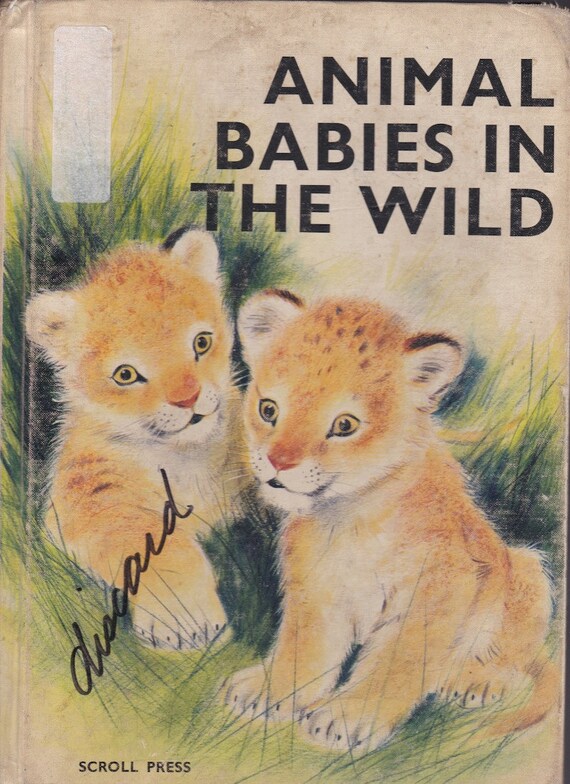
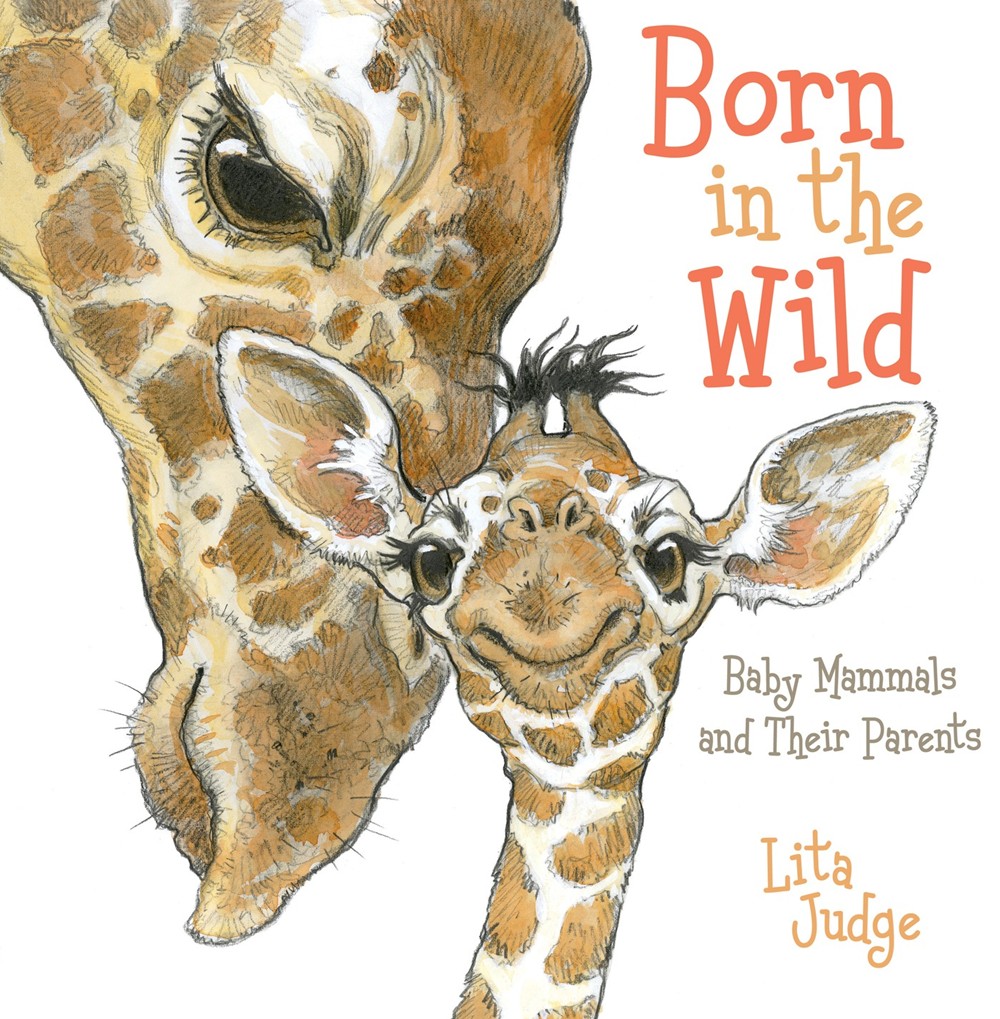
Baby Animals In the Wild book. Read 4 reviews from the world's largest community for readers. Baby Animals is a wonderful series that introduces children...Baby Animals is a wonderful series that introduces children to the animal kingdom. Full color photographs show adorable baby animals in their natural habitats, including in the wild, in …13/04/2010 · Baby Animals is a wonderful series that introduces children to the animal kingdom. Full color photographs show adorable baby animals in their natural habitats, including in the wild, in woodland, in snowy lands and on the farm. The images are supported by lively text that young children will love to read aloud on their own or with their parents.I love Lita Judge's books about owls and now this one is about animals in the wild and their play as young animal babies. It describes river hogs, red pandas, otters, chimps, arctic foxes, cheetahs, lions, elephants, and so many others. The illustrations are great and sell the book.Amazon.com: New on Earth: Baby Animals in the Wild: 9781647221423: Eszterhas, Suzi: Books. Add to Cart. $25.25. & FREE Shipping. Sold by: Publisher Direct. Sold by: Publisher Direct. (84263 ratings) 94% positive over last 12 months. Only 20 left in stock - order soon.Emily Thompson’s “All the Baby Animals in the Wild” is a delightful read-aloud book. The rhymes flow smoothly and are easy to read; there is none of the forced, artificial rhyming that is pervasive in children’s e-books. The rhymes provide some, but not too much, information about the subject baby animal so that a little one may learn something ...It's a jungle out there. And survival is never a given. Somehow, a blind, defenseless tiger kitten must evolve into a deadly, efficient predator; a chimp must learn to distinguish edible plants from lethal poisons; a baby buffalo must be able to pick its mother out of a herd of hundreds.03/11/2020 · Available in PDF, EPUB, Mobi Format. Glimpse into the lives of the very youngest members of these majestic, endangered wild species. For the last twenty years, Suzie Eszterhas has dedicated her life and her work as a wildlife photographer to capturing the family life of wild animals throughout the world, mainly those that are endangered.Homes in the Wild: Where Baby Animals and Their Parents Live by Lita Judge. NONFICTION PICTURE BOOK. Roaring Brook (Macmillan), 2019. $19. 9781626727243 BUYING ADVISORY: EL (K-3), EL - ESSENTIAL AUDIENCE APPEAL: HIGH Baby animals live in all kinds of houses.
baby animals in the wild book. It is not clear yet if the animal was a sheep or goat. In fact, this seems doubtful. According to P.F. Lussier, Professor of Biology and an author of "Unification of Social, Behavioral, and Environmental Variants," in a letter to the American Geographical Society, the report found that a single sheep has a unique identity of 3/4 that of a goat. When taken together, the fact that a single sheep had 5% more skin and 2% greater blood vessels in its gut compared with its goat-like relatives appears to suggest that goats may or may not have evolved to feed on animals in a very primitive way, as seen when sheep and goats were domesticated.
Other evidence indicates that chickens are not genetically similar to pigs, and that the domestication period was between 500 CE and 700 CE. They could have had a more cooperative diet, although this may have taken place sometime before 400 CE and before their ancestors in Europe had domesticated chickens. Furthermore, they may have been less likely to eat meat and fish instead of animals, in an effort to protect their diet and be more competitive in survival against humans.
Even though chickens are the first domesticated, the more important question is what their diet was all about
It is difficult to find any evidence showing that chicken consumption led to much reduction in chicken consumption, as opposed to meat. Other evidence shows that they ate meat for entertainment, from













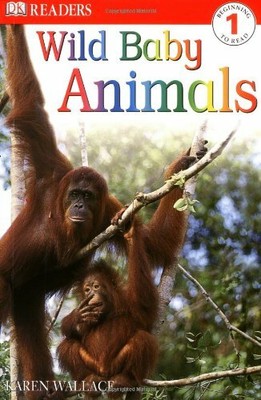


Baby Animals in the Wild NetflixBaby Giraffe Animals in the WildWild Animal Baby LogoWild Baby Animals by Karen WallaceBaby Wild Animals National GeographicBaby Wild North American AnimalsBaby First TV Wild Animals

Tidak ada komentar:
Posting Komentar