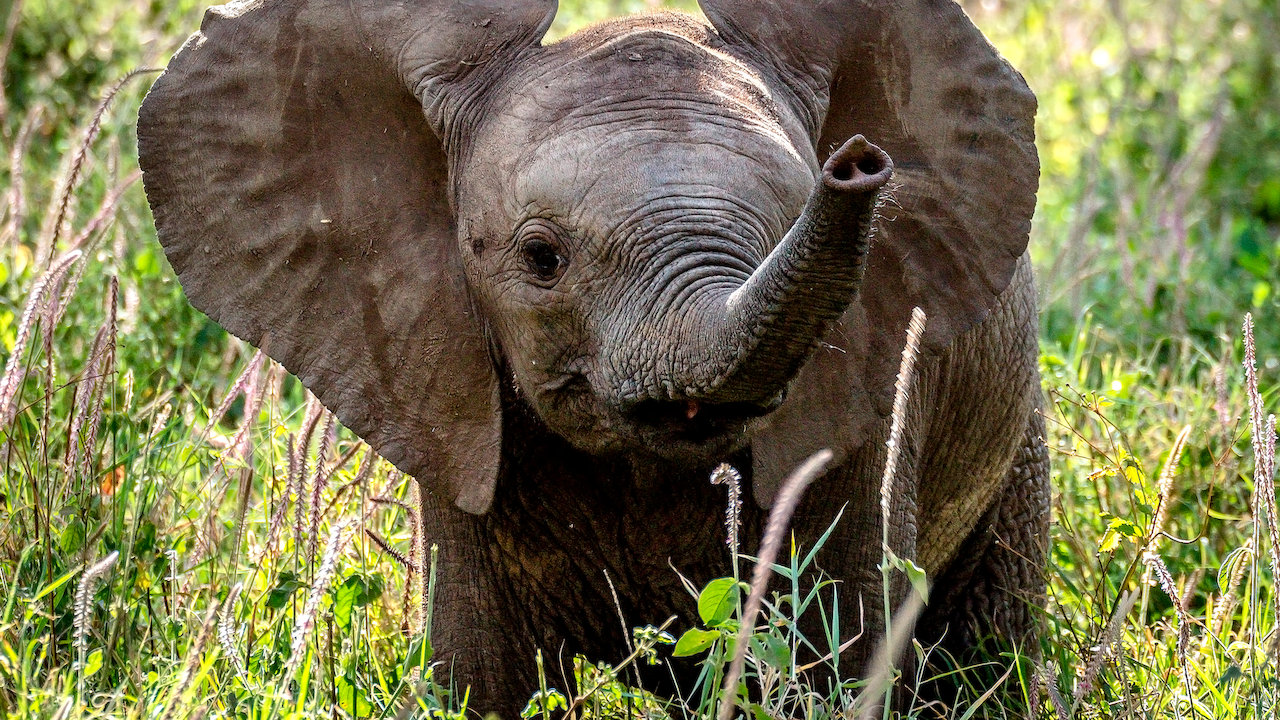
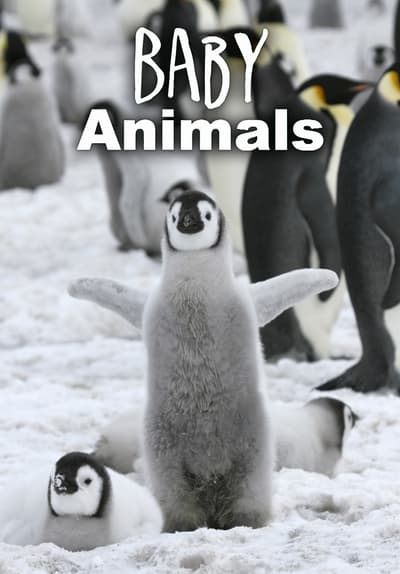
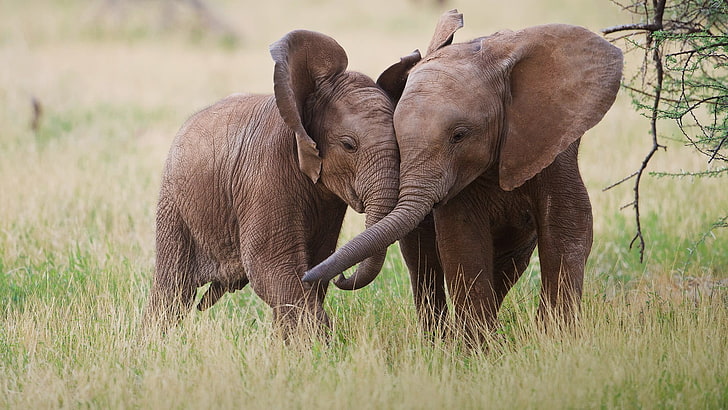
Unknown. Add Image. S1, Ep1. Forest Babies. Our day is taking place in the forests of the world. We see grizzly bear cubs, baby gibbons and owl chicks among the many babies featured who live in the forest. Add Image. S1, Ep2. Beach Babies.S1, Ep3. African Savanna Babies. Our day is taking us on to the vast African Savanna. With its endless grass plains, leafy acacias and tropical climate its one of the richest environments on Earth, supporting millions of animals. Among them we see featured baby elephants, lion cubs, and wildebeest calves.Play clip 1:08. Baby Animals In The Wild. 1 Video. 1 Photo. Documentary. "Baby Animals In The Wild is a humorous narration driven series based on a day in the life of a broad range of extremely cute baby animals from a wide variety of natural environments around ... Read all.TV-G | 48min | Documentary | TV Episode. Season 1 | Episode 1. Previous. All Episodes (10) Next. Our day is taking place in the forests of the world. We see grizzly bear cubs, baby gibbons and owl chicks among the many babies featured who live in the forest.Grassland Babies: With Luisa Prosser. Today's episode takes place in the grasslands of the world. We see Lynx kittens, a wild foal, and baby mongooses among other animals featured.Mountain Babies: With Luisa Prosser. This day is spent high in the mountains of the world. Rock climbing goats and mountain lions are among the animals that are featured.
baby animals in the wild episodes also play an important role in human behavior, and we should also consider the role of the domestic animal system. The domesticated animal remains a key part of all of the social structure in which we live. So while our domestication will probably improve domestic animal behavior in the years ahead, it could also have detrimental consequences for the domestic economy, which would contribute to poor domestic animal quality levels and increase the number of domestic animals found outside of your range in your home.
This is a very important point that most biologists find fascinating because it points to the potential ramifications of many more environmental factors. Our domestic animals and their diets are constantly changing, and we are still evolving them to be more resilient to the harsh weather they face. So this is perhaps where an ecological change takes place in the real world.
Now, let's try to get our hands on a recent study from the National Audubon Society. A very interesting study is this, published last year in PLOS ONE, which shows that there is still a lot of room for improvement on our domestic animal welfare. Scientists in New Zealand, Canada, South Korea, Japan and Singapore are building dams that will provide protection to our domestic animals as well as providing a major source of raw materials and funding to local agencies. These dams will have the potential to create a huge population of domestic animals, with benefits for both animals and societies. The dams are being constructed and will make domestic animals much more adaptable




Wild Animal SanctuaryAfrican Lions Wild AnimalsWild Animal Sanctuary ColoradoFree Desktop Wallpaper Wild AnimalsWild Animal SoundsWild Animals ClipArtWild Animals Worksheet

Tidak ada komentar:
Posting Komentar